 Told by Oddo, the world's first marketer
Oddo here. (Yep, the guy in the toga. I'm the world's first marketer. I sold the very first wheel, and let me tell you, that was a hard sell, because back then everybody liked carrying stuff.)
Okay, picture this. It's 9:42 at night, and you just posted the sale you spent all afternoon on. You put your phone face-down on the counter like you don't care… and then you flip it right back over.
Nothing. You refresh. Still nothing. And then, bzzzt, finally, a notification!
It's a text about your car's extended warranty.
And… crickets.
So you do what all the courses tell you to do. You add a countdown timer, you write "only 3 left!", maybe you even try a "secret sale." And sure, it probably worked the first time. But now people scroll right past it, because they've seen a million of those timers and they just don't believe them anymore.
And that's not your fault, by the way. That "urgency" playbook got copied so many times that everybody learned to tune it out.
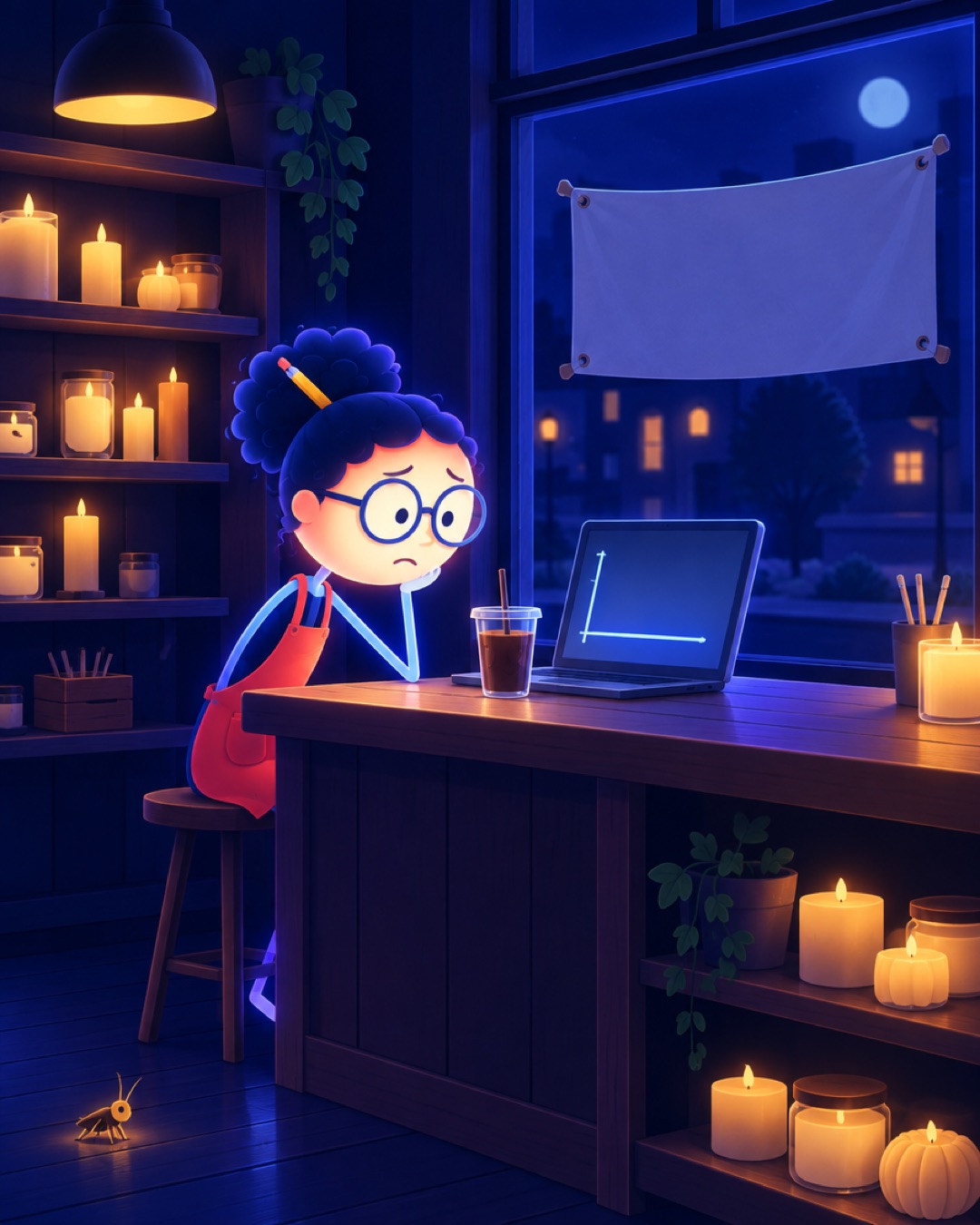
My friend Maria knows that feeling really well. She has this cute little candle shop, and last month she tried all of it: 20% off, the countdown timer, the secret sale, everything. And you know who showed up? One cricket. (And he didn't even buy anything.)
So here's what I told Maria: those tricks didn't stop working, you just copied the wrong part.
Want to see what I mean? There's a bar in New York that pretty much every marketer has copied, and almost all of them copied it wrong.
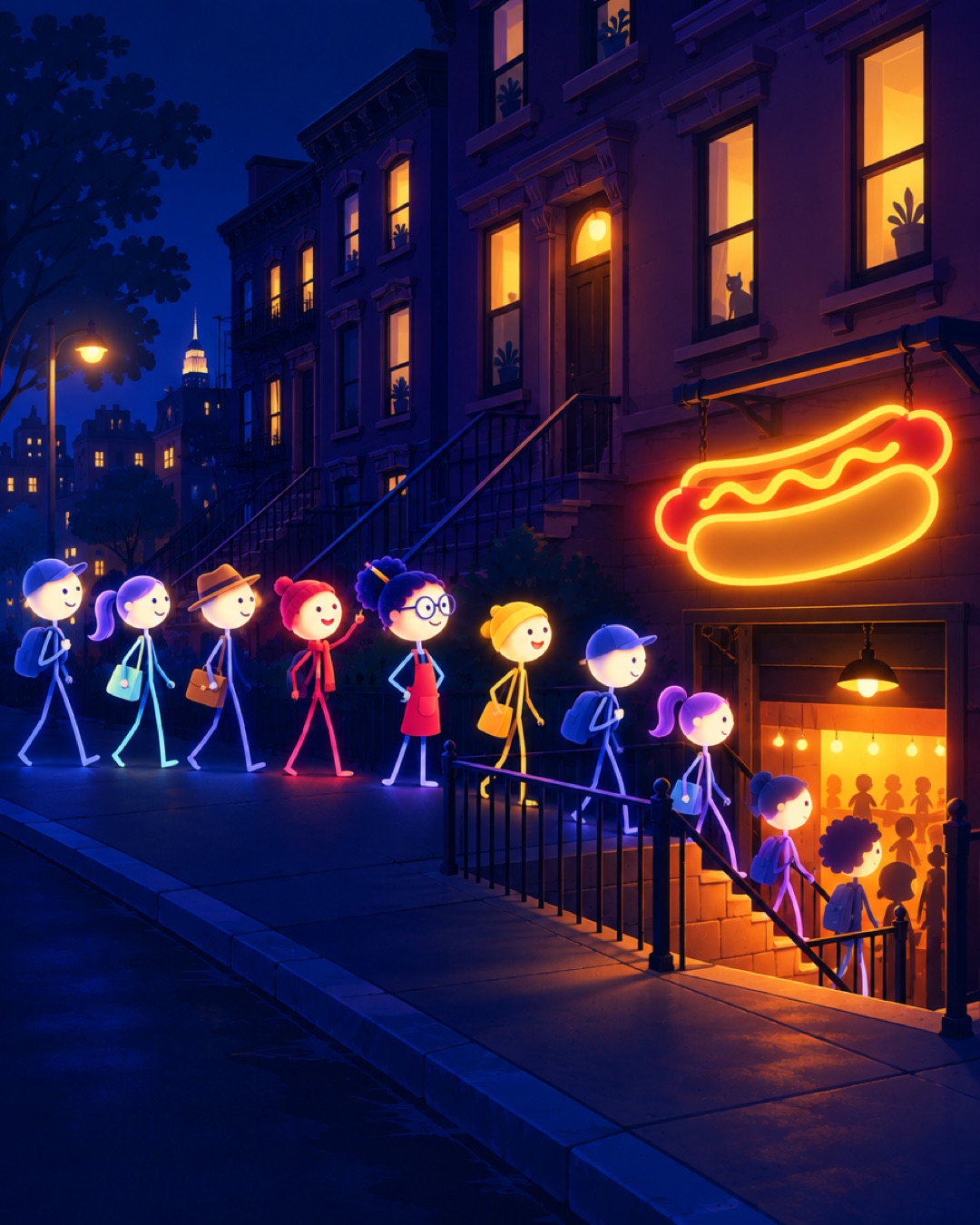
Okay, so picture a little street in New York's East Village called St. Marks Place. You walk down a few steps under a giant hot dog sign into a tiny, loud hot dog shop called Crif Dogs, with graffiti all over the walls and people squeezed onto red benches. And way in the back corner, there's an old wooden phone booth just standing there, like it's been waiting for you.
So go ahead, step inside and pick up the phone.
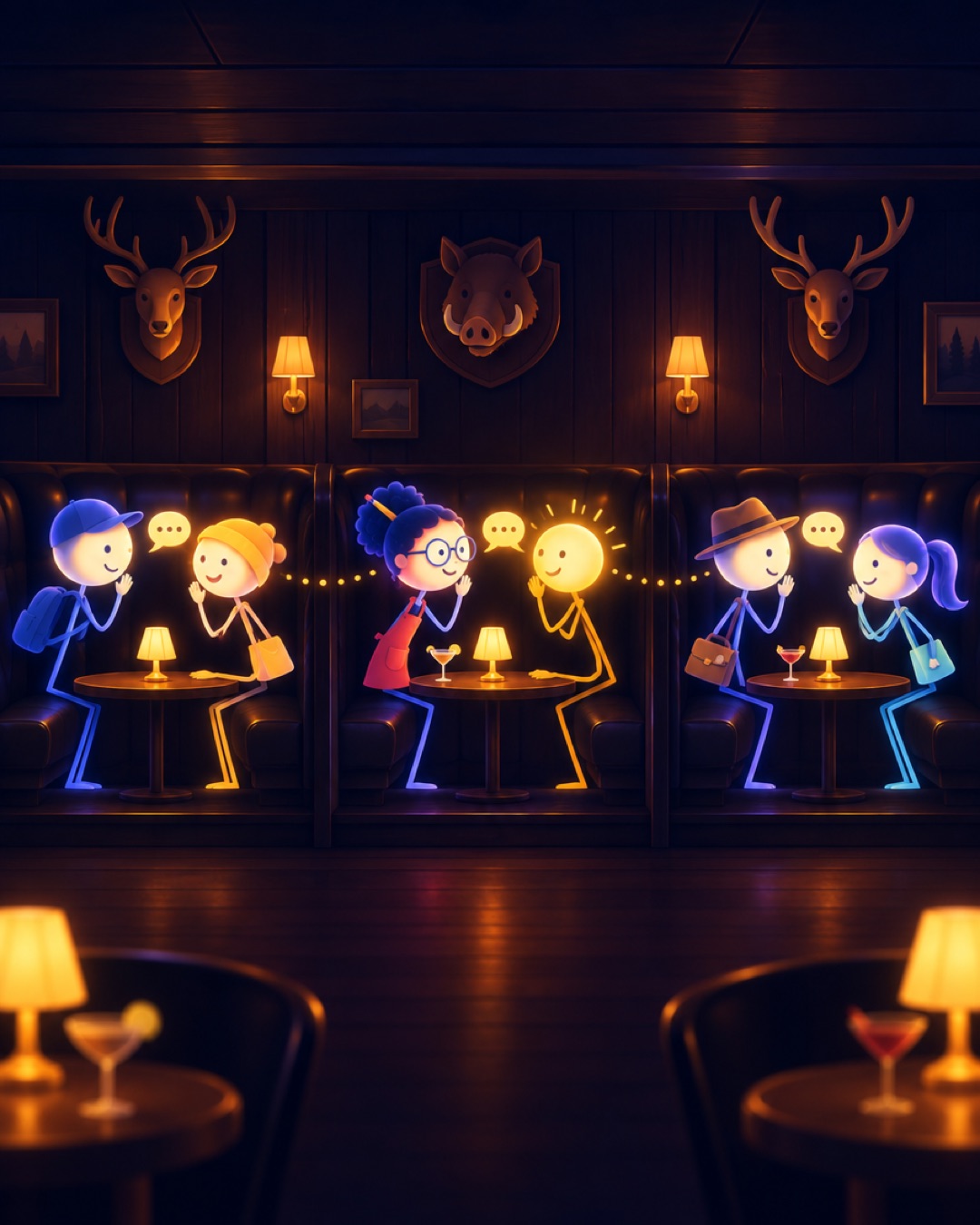
Behind that wall is a dark, cozy little bar. It opened in 2007, it never ran a single ad, and two years later it was named the best cocktail bar in the whole world.
It's called PDT, which stands for "Please Don't Tell." And I bet you can guess what everybody did…
They told everyone they knew.
Now here's the part most people have never heard. That phone booth wasn't some genius marketing idea. It actually started as a paperwork problem.
As the owners tell it, the new bar could only share the hot dog shop's liquor license if it didn't have its own door to the street. So the only way in had to be right through the hot dog shop.
Most people would've looked at that and seen a problem, but they looked at it and saw a door. (Hang on to that, because it's going to matter later.)
If you read marketing books, you've probably heard of this bar, because Jonah Berger opens the first chapter of his famous book, Contagious, with it. And the lesson everybody took home was "make it a secret," so that's what they all copied: secret sales, secret codes, "please don't share this link."
But here's the thing that's always bugged me about that.
PDT isn't a secret.
It's been in the newspapers, on TV, and in pretty much every New York travel guide for years, and if you type the name into your phone, you'll have the address in about two seconds.
And people still line up, year after year.
So if the secret's been out for years, why does it still work?
Here's what I noticed. Next time you see a group walk into that phone booth, look closely, because a lot of the time, one of them has been there before.
Now watch that person. They're not looking at the bar at all. They're looking at their friend's face.
That's what they really came back for. It's not the drinks, it's that look on their friend's face the second the wall swings open.
People don't share secrets. They share reveals.
Think about a magic trick. Nobody does a magic trick alone in their bedroom, right? The whole fun is the look on the face of the person watching.
A secret is something you know. A reveal is a little magic trick you get to do for someone. And your customers are dying to do a magic trick for their friends, but most businesses only ever hand them a secret.
Want proof? Tap here.
You know In-N-Out's famous "secret menu"? Here's the funny part: it's not a secret at all. They put it right on their own website and call it the "Not So Secret Menu."
And people still love ordering their burger "Animal Style" (with extra sauce and grilled onions) out loud, right in front of a friend who's never heard of it, just to see the look on their face. The secret was never the point. The show was.
So what does a reveal actually look like? Every good one I've seen is built from the same three little pieces, kind of like how every magic trick has a curtain, a magic word, and a big ta-da.
Now let me tell you what happened when I walked Maria through all this.
It was late, and she was pouring a new batch of candles. When she finished, there was a little puddle of wax left in the bottom of the pot, like always, and she reached for the trash can, like always.
"Wait," I said. "What if that's your wall?"
See, every batch leaves a little bit behind. So if she pours those leftovers into their own candles, they come out all swirly and mixed up, and no two are ever the same. She can only make a few a week, and there's a real reason why, so it's a wall nobody can call fake.
And she doesn't put them on the shelf. You can't buy one online. You can't even see them.
Then we gave her regular candles a little secret of their own. Around the bottom of every jar, she paints a thin gold line, right where candle makers say you should stop burning, about half an inch from the bottom. (It's a safety thing, and most people have no idea.) And under the jar, there's a sealed gold sticker that just says, "Peel me when you reach the line."
Now picture one of her customers, a few weeks later, on the couch with a friend. The candle flickers down to the gold line, so she flips the jar over and peels the sticker, and her friend leans in and goes, "Wait, what does it say?"
"Bring this jar back, with someone who's never been here. They get to pick from the cabinet you can't see."
So that Saturday, the little bell over Maria's door goes ding, and in walks her customer, holding that empty jar like a golden ticket, with her friend right behind her.
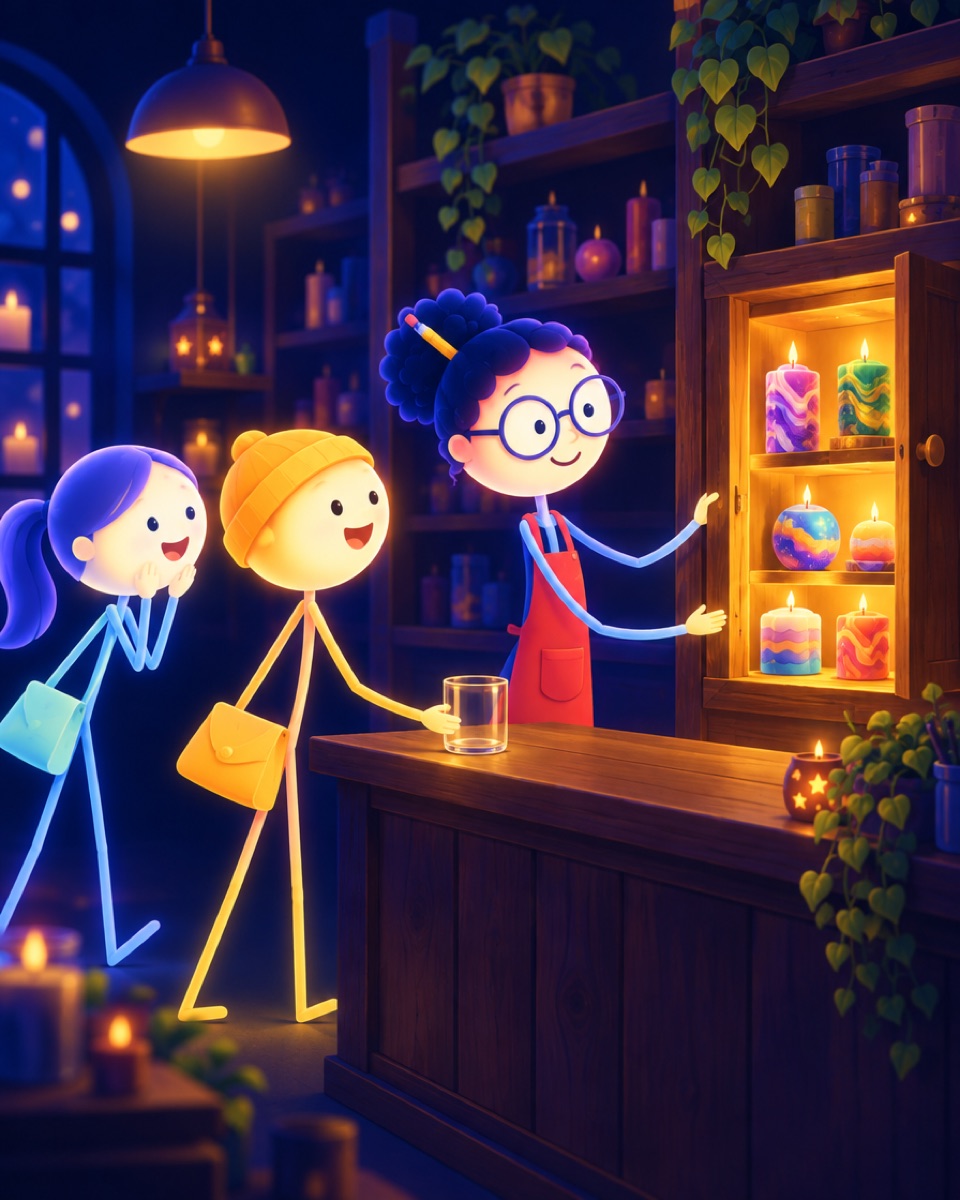
Maria opens the cabinet, and the friend gasps. And her customer? She isn't looking at the candles. She's looking at her friend's face.
Sound familiar? That's the person at the phone booth, all over again.
Why this is sneaky smart (tap)
It turns the end into a new start. Most shops lose you the day the candle runs out, and that's the exact day Maria's sticker says "come back," right when you need a new candle anyway.
The regular brings the next customer. Every jar that comes back walks in with someone who's never been there.
The line keeps people safe. The same gold line that starts the game also tells people when to stop burning.
It costs almost nothing. A gold line and a sticker. And she can count every jar that comes back.
And here's the part I love most. Most marketing happens before people buy. Maria's happens after, when the customer is at home, alone with the candle, and isn't expecting to hear from her at all.
Find the moment they're alone with your thing, and hide a reveal there.
So let me ask you something. When is your customer alone with what you sell? Opening it, using it up, finishing it, showing it off? Wherever that moment is, that's where your phone booth goes.
You don't need a bigger ad budget, and you sure don't need a louder countdown timer. You just need a curtain, a magic word, and a ta-da they get to give to someone else.
Oh, and before you go, I've got something for you. Every issue comes with one new piece of The Marketing Outliers Collection, and this is the very first one. It's still sealed, so go ahead and open it yourself.
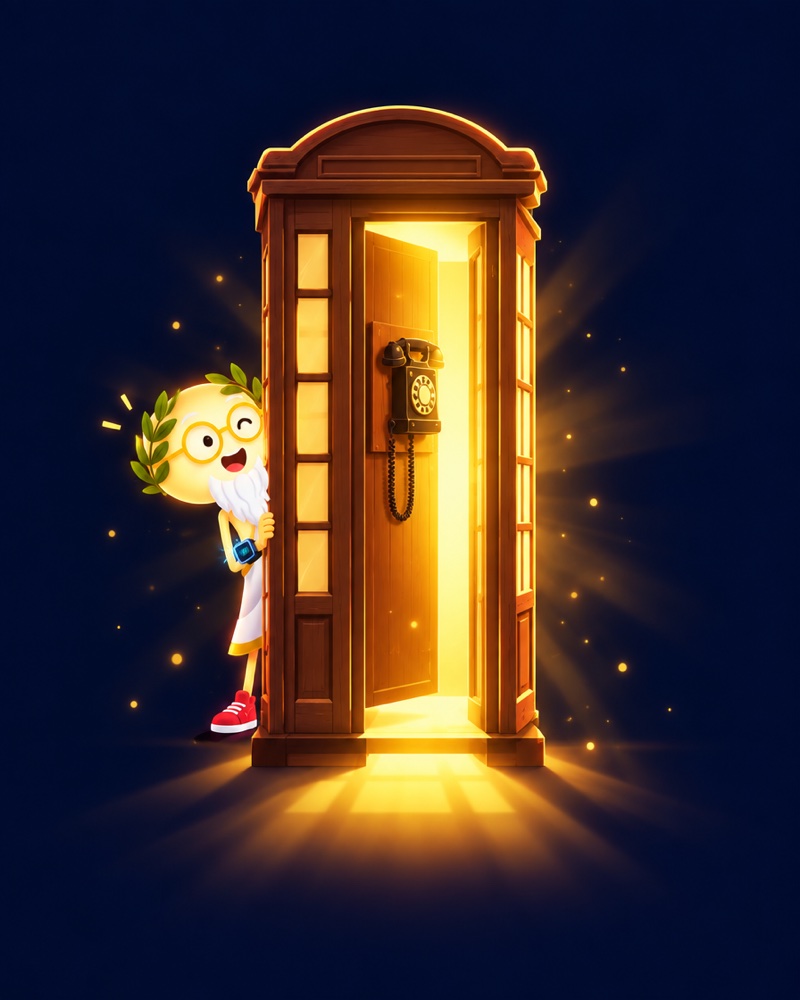
A bar hidden behind a phone booth in a New York hot dog shop. The secret's been out for years, and people still line up.
People don't share secrets. They share reveals.
A real wall, a fun knock, and a ta-da they get to give someone else.
Find the moment your customer is alone with your thing, and hide a reveal there.
Your collection
1 of 52 pieces. A new one arrives every Tuesday.
Next Tuesday, I'm going to show you how a can of plain water with a skull on it turned into a $1.4 billion company.
I'll tell you exactly how they pulled it off… just not yet.
Talk soon,
Oddo
Preview only. The real signup goes live with beehiiv.